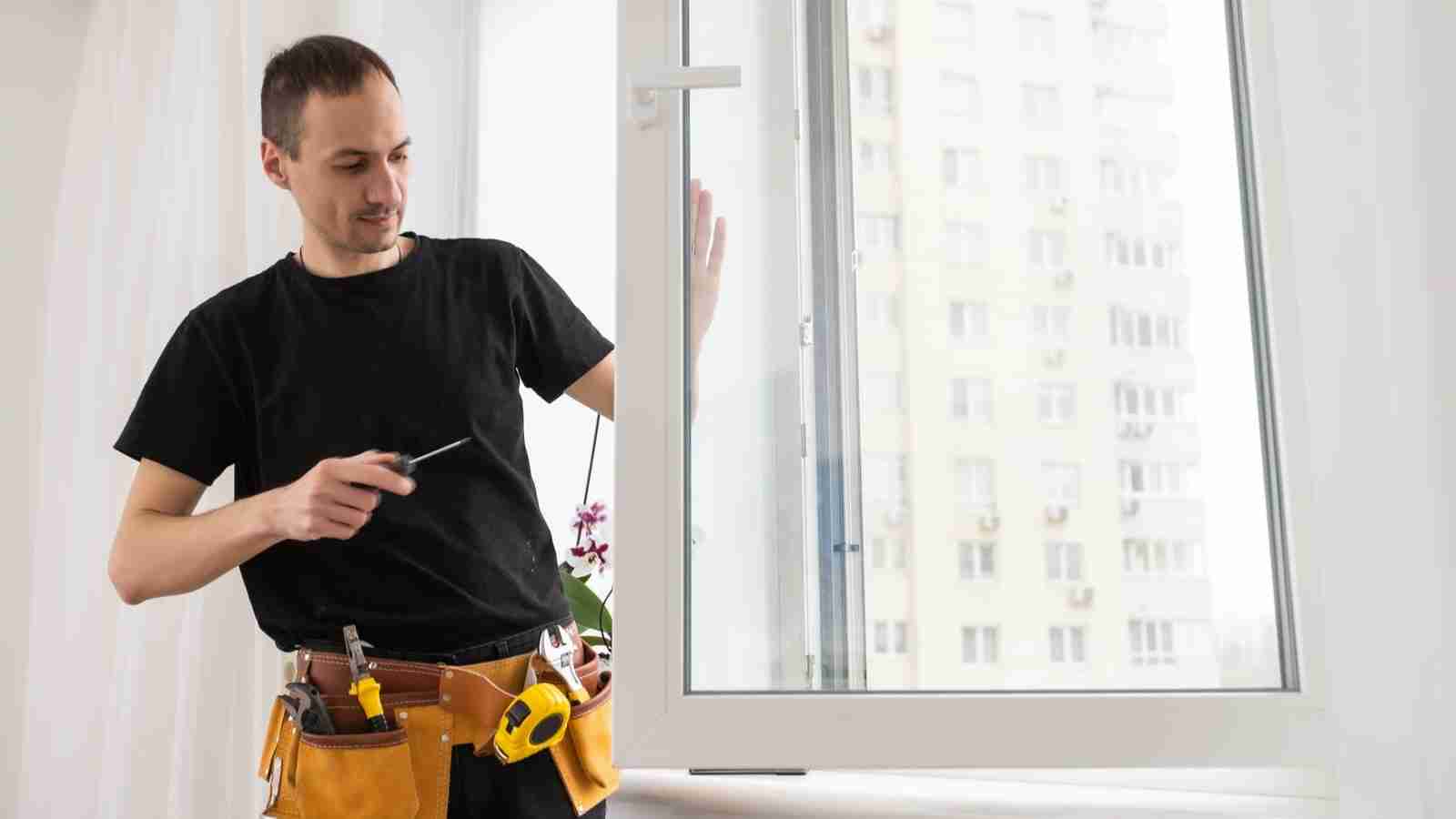
As a homeowner, it's easy to get caught up in daily life and put off necessary repairs. However, ignoring common issues can lead to costly consequences down the line. In this article, we'll explore seven common home repairs you shouldn't ignore and provide actionable tips on how to address them. Whether you're a seasoned DIY enthusiast or a busy homeowner, this guide will help you stay on top of maintenance and ensure your home remains a safe and comfortable space for you and your loved ones. With 15 years of experience in the industry, our team at Bob Handyman has seen firsthand the importance of addressing these repairs promptly. By learning how to fix drywall holes without a handyman and other common issues, you'll be well on your way to maintaining a well-maintained home.
1. Leaking Faucets: A Step-by-Step Guide to Repairing Leaks
A leaking faucet may seem like a minor issue, but it can waste up to 20 gallons of water per day, increasing your water bill and potentially causing damage to your plumbing system. To repair a leaking faucet, you'll need to locate the source of the leak and replace the worn-out parts. This may involve replacing the faucet's O-rings, gaskets, or valve stem. If you're not comfortable with DIY repairs or if the leak is more complex, consider hiring a professional plumber to fix the issue. In California, for example, a leaking faucet can be a costly mistake, especially if it's not addressed promptly.
2. Drywall Holes: How to Fix Them Without a Handyman
Drywall holes can be caused by a variety of factors, including nail holes, screws, or even accidents. To fix drywall holes without a handyman, you'll need a few basic tools, including a putty knife, joint compound, and a sanding block. Apply a thin layer of joint compound to the affected area and smooth it out with a putty knife. Allow the compound to dry completely before sanding it down to a smooth finish. If the hole is particularly large or in a load-bearing area, it's best to consult a professional handyman for assistance.
3. Doors That Won't Close Properly: Why It Happens and How to Fix It
A door that won't close properly can be frustrating and even lead to security issues. There are several reasons why a door may not close correctly, including misaligned hinges, worn-out door sweeps, or even a sticking door frame. To fix a door that won't close properly, check the hinges and door frame for any signs of wear or damage. If the hinges are loose, tighten them to secure the door. If the door sweep is worn out, replace it with a new one. If the issue persists, consider consulting a professional handyman for assistance. In Nevada, for example, a door that won't close properly can be a significant concern, especially in areas prone to high winds.
4. Shelves and TV Mounting: Safety Tips for a Hassle-Free Installation
Installing shelves and TV mounting systems can be a DIY-friendly project, but it requires attention to safety and proper installation techniques. To avoid costly mistakes and ensure a secure installation, consider hiring a professional handyman. They'll be able to assess your space and provide expert advice on the best installation methods. In Arizona, for example, a poorly installed shelf or TV mount can be a recipe for disaster, especially in areas prone to earthquakes.
5. Minor Plumbing Repairs: When to Call a Professional
Minor plumbing repairs, such as fixing a leaky faucet or unclogging a drain, can be a DIY-friendly project. However, if the issue is more complex or requires specialized tools, it's best to call a professional plumber. In New York, for example, a minor plumbing repair can be a costly mistake if not addressed promptly, especially in areas with high water pressure.
6. Electrical Work: When to Hire a Licensed Electrician
Electrical work can be hazardous, especially if you're not experienced in working with electrical systems. If you're unsure about how to fix an electrical issue or if it requires specialized tools, consider hiring a licensed electrician. In New Jersey, for example, electrical work requires a license, and hiring a professional electrician is the best way to ensure your safety and the quality of the work.
7. Cracked Tiles: How to Repair Them at Home
Cracked tiles can be a cosmetic issue, but they can also lead to water damage and further complications if not addressed promptly. To repair cracked tiles at home, you'll need a few basic tools, including a tile scraper, a putty knife, and some tile adhesive. Apply the adhesive to the affected area and smooth it out with a putty knife. Allow the adhesive to dry completely before applying a new tile. If the crack is particularly large or in a load-bearing area, it's best to consult a professional handyman for assistance.
Conclusion
Ignoring common home repairs can lead to costly consequences down the line. By learning how to fix drywall holes without a handyman and other common issues, you'll be well on your way to maintaining a well-maintained home. Remember, prevention is key, and addressing these repairs promptly can save you time, money, and stress in the long run. Contact Bob Handyman today to schedule your appointment and let our experienced team help you tackle these repairs with ease.